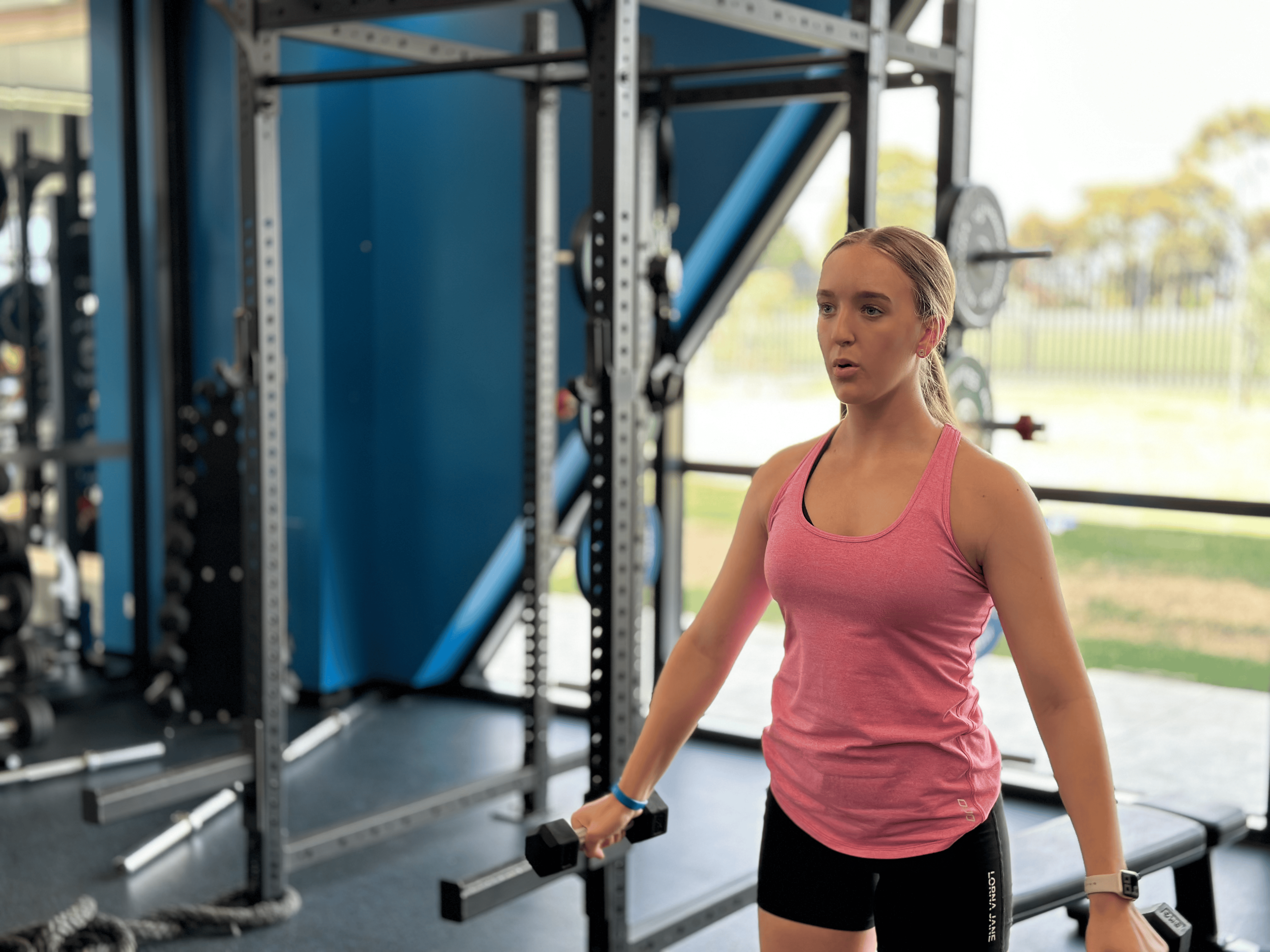
Having an active & healthy teenager
Having a healthy and active teenager will not only benefit them physically and mentally during their formative years, but it will also establish healthy relationships with exercise that will continue into adulthood, and continue to have multiple health benefits. A 2016 report showed that 81% of adolescents aged 11 – 17yrs (globally) were considered physically inactive, and that females were more active than their male counterparts. A 2019 report by the World Health Organisation (WHO) suggests that nearly 90% of Australian children aged 11-17yrs were not meeting recommendations on daily physical activity. Additionally, out of 146 countries that were surveyed, Australia ranked 140th, putting us amongst the worst performing countries when it comes to active teenagers.
The issues regarding ensuring adequate physical activity for children and adolescents is complex and multi-faceted, small changes can be made at individual and local levels, based on global recommendations.
It is recommended that children and adolescents aged 5-17 years:
- Should do at least an average of 60mins of exercise per day, of moderate-to-vigorous aerobic physical activity. However, fewer than 1 in 4 children aged 5 to 14years get the recommended 60mins of physical activity each day.
- Should incorporate aerobic activities as well as those that strengthen muscle and bone, at least 3 days a week
- Should limit the amount of time spent being sedentary, particularly the amount of screen time.
These recommendations also apply to children and adolescents living with a disability.
Low-to-moderate activities for as little as 30mins per day can be beneficial – consider activities such as walking, climbing stairs, dancing, exercise at home. The University of Rochester Medical Centre notes “Incorporating regular aerobic physical activity increases a teen’s capacity for exercise. It also plays a role in the prevention of heart diseases and type 2 diabetes. Aerobic activities are continuous activities that cause the heart rate and breathing rate to increase. To prevent dehydration, encourage your teen to drink fluid regularly during physical activity. Also, have them drink several glasses of water or other fluid with no added sugar after the physical activity is completed. Examples of vigorous activities may include:
- Brisk walking
- Running
- Swimming
- Cycling
- Roller skating
- Jumping rope
- Playing on the playground
- Dancing
- Gymnastics
- Hiking
- Soccer
- Tag games
Having an adolescent that is physically active provides a multitude of health benefits, both physically and mentally:
- Improved muscular and cardiorespiratory fitness
- Improved blood circulation and blood cholesterol levels
- Improved bone and functional health – exercises such as jumping, running or lifting weights can help to keep bones strong.
- Increases muscle strength
- Improves energy levels
- Helps to maintain a health body weight
- Improves cardio metabolic health – dyslipidaemia, glucose and insulin resistance
- prevents and manages high blood pressure,
- Cognitive outcomes – academic performance, executive function
- Mental health – reduced symptoms of depression and anxiety
- Helps to manage stress
- Improves the ability to fall asleep quickly and sleep well
- Increases enthusiasm and optimism
There are a multitude of ways that exercise and healthy activities can be incorporated into daily life for adolescents, such as:
- walking, cycling and other forms of active non-motorised forms of transport are accessible and safe for all;
- childcare, schools and higher education institutions provide supportive and safe spaces and facilities for all students to spend their free time actively;
- primary and secondary schools provide quality physical education that supports children to develop behaviour patterns that will keep them physically active throughout their lives;
- community-based and school-sport programmes provide appropriate opportunities for all ages and abilities;
- sports and recreation facilities provide opportunities for everyone to access and participate in a variety of different sports, dance, exercise and active recreation
Sources:
- https://www.who.int/news-room/fact-sheets/detail/physical-activity
- https://www.urmc.rochester.edu/encyclopedia/content.aspx?ContentTypeID=90&ContentID=P01602#:~:text=For%20teens%2C%20daily%20exercise%20may,part%20of%20a%20healthy%20lifestyle
- https://kidshealth.org/en/teens/exercise-wise.html
- https://www.healthdirect.gov.au/benefits-of-physical-activity-for-children
- https://www.uow.edu.au/media/2023/children-and-teens-arent-doing-enough-physical-activity—new-study-sounds-a-healthwarning.php
- https://theconversation.com/140th-out-of-146-australian-teens-do-close-to-the-least-physical-activity-in-the-world-127434
- https://www.thelancet.com/journals/lanchi/article/PIIS2352-4642(19)30323-2/fulltext